
Looking for great dive sites on Bonaire? People often ask me where I like to dive myself. I always find that a tough question, because there are so many beautiful dive sites on Bonaire! In this blog, I share six of my favorite dive sites, spread across the whole island. You can reach all of them from shore, so you don’t need a boat. For each site, you’ll read what the entry is like, what you can see underwater and what to watch out for.
How I like to dive on Bonaire
Personally, I love nice and ‘easy’ dives. Grab your gear, drive there and go! An easy entry, not too much current, and taking my time to see what the fish are up to. Then I calmly turn around and swim back.
I don’t cover much distance during a dive. Mostly I look around carefully, searching for moray eels, drumfish (preferably the little ones, they’re so cute), blennies and shrimp. That makes me completely happy. Bigger marine life, like a turtle or an eagle ray, is fantastic, but I’ve had a wonderful dive even when I don’t come across them.
Cliff: an easy dive with simple navigation
Central Bonaire
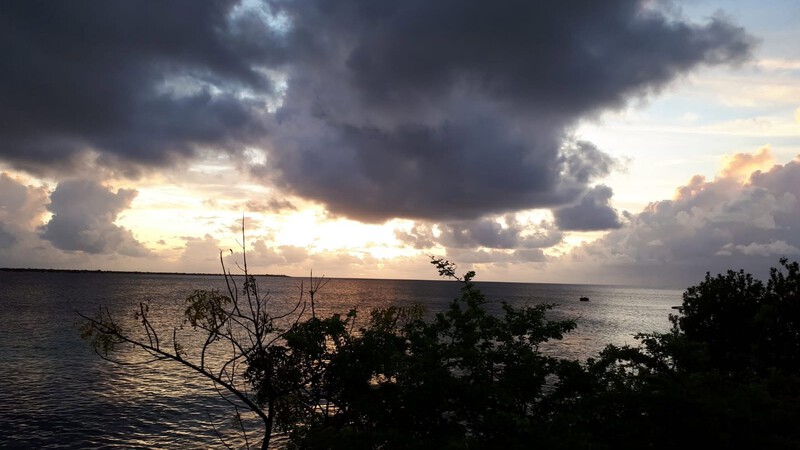
Cliff is my most familiar spot. When I first came to Bonaire to dive more than ten years ago, I had just earned my Open Water certification in the Netherlands. I wasn’t sure yet whether diving was really for me. Well, Bonaire changed that!
I’ve done quite a few dives at Cliff and I love it there. The entry is easy and the navigation is simple. From the entry point, a wide pipe runs across the seabed, all the way toward Curaçao. This pipe is a really handy landmark for navigation. Usually you turn left from the entry, against the current, and turn back at half a tank. As soon as you see the pipe again, you know you’re back at the spot where you need to exit.
Sometimes there’s a bit of current, but it’s usually perfectly manageable. I especially love this spot in the afternoon, when the sun shines on the ‘cliff’ and the corals and fish take on even more beautiful colors. You’ll also often see large tarpon here, and regularly a turtle.
This is the spot I go to when I haven’t dived for a while, or where I like to take people who are making their first dive on Bonaire.
I know this place like the back of my hand.
The Lake: so much to see!
South Bonaire
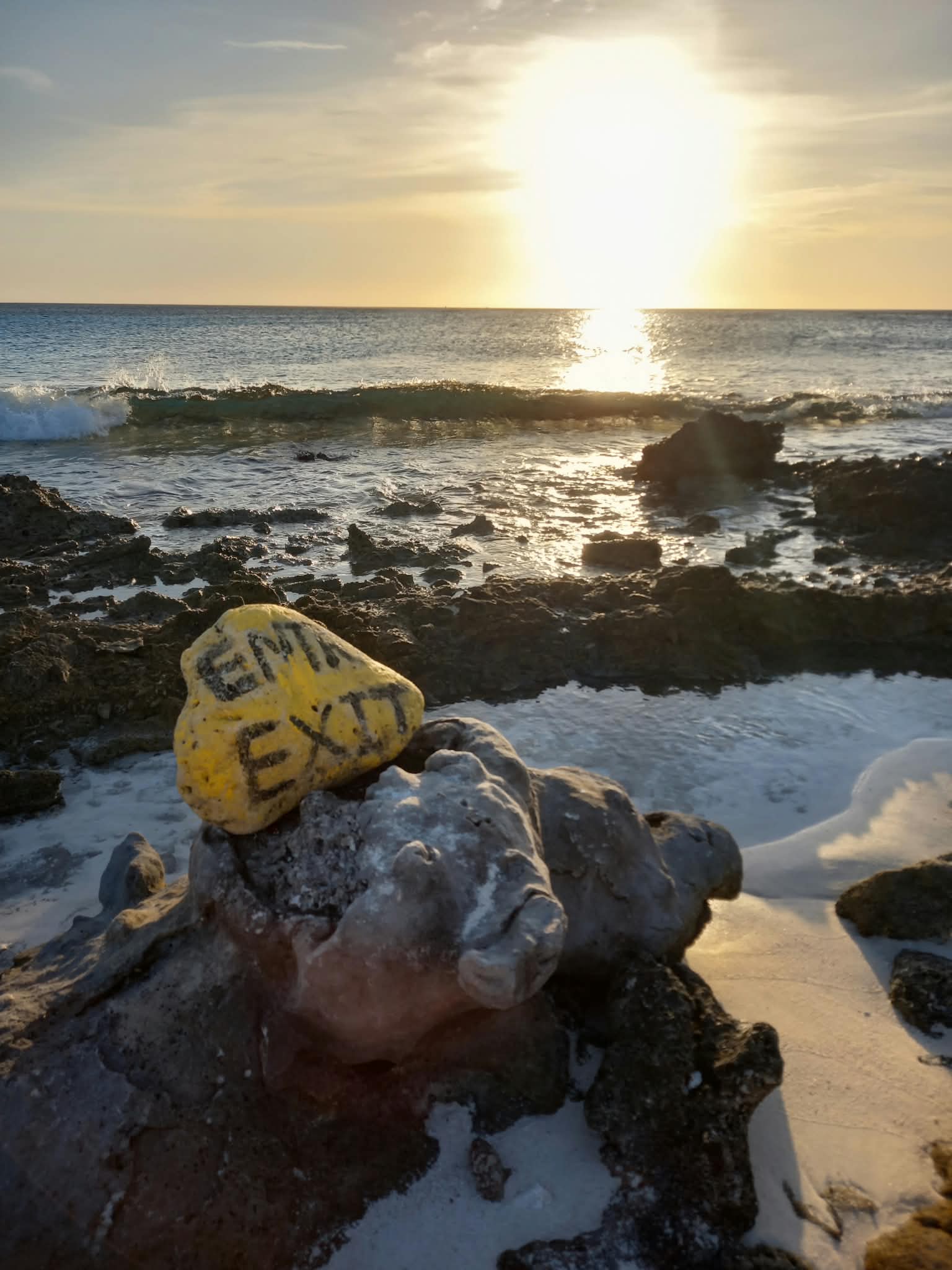
A lot of people look surprised when I tell them I’m crazy about The Lake. But I love it there.
You simply walk into the water, swim out a little and then reach beautiful coral. There’s a deeper reef that’s really worth exploring at a slow pace, and next to it a reef that goes down to about 17 meters (56 feet). In between lies a sandy plain that looks like… you guessed it, a lake! Hence the name.
When the current is right, some people swim from The Lake to the Hilma Hooker, the neighboring dive site. At my slow pace, I almost never make it that far myself. I also prefer to visit the Hilma Hooker separately, because that wreck is definitely worth taking your time to explore.
Margate Bay: diving and snorkeling
South Bonaire
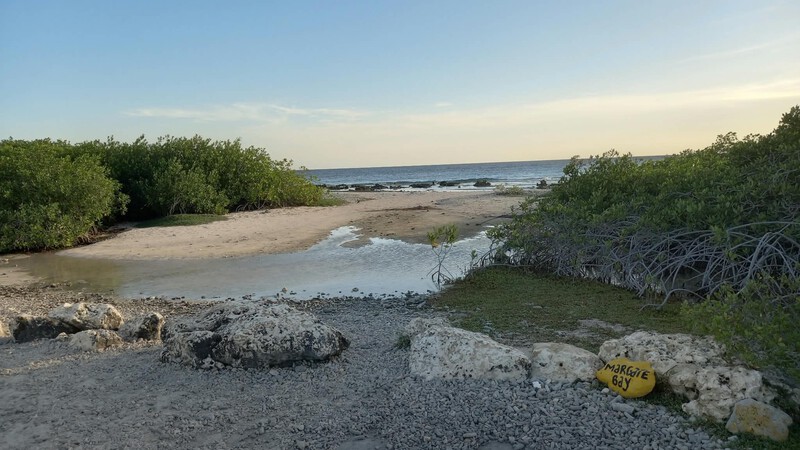
Margate Bay is a little further south and is also a great spot for snorkeling.
The entry is easy. From the shore, you first walk through a small lagoon. How much water it holds varies throughout the year. When there’s a lot of water in it, there are unfortunately often lots of mosquitoes too. At times like that, I’d rather skip this spot.
After that you reach the water’s edge, where you can walk into the water quite easily. The current here is usually not too strong and there’s plenty to see: from all kinds of schools of fish to beautiful, larger coral formations. A lovely spot for a relaxed swim.
Red Slave: for experienced divers
South Bonaire

Red Slave is a stunning dive site in the south of Bonaire, right next to the historic slave huts. You can enter from shore, but make no mistake: this is a dive for more experienced divers.
Underwater you’ll find a beautiful, relatively untouched reef. You may come across barracudas, large schools of fish and sometimes eagle rays.
This is where I see rays most often!
However, the current here can be unpredictable and quite strong. I don’t go in myself if I see big waves. I’ve also had to abort my dive here several times because of the strong current. That’s why I prefer to choose this spot when there’s little wind and the conditions at sea are good.
But when I can dive here, I always come out of the water incredibly happy.
Tolo: tarpon and a coral beach
North Bonaire
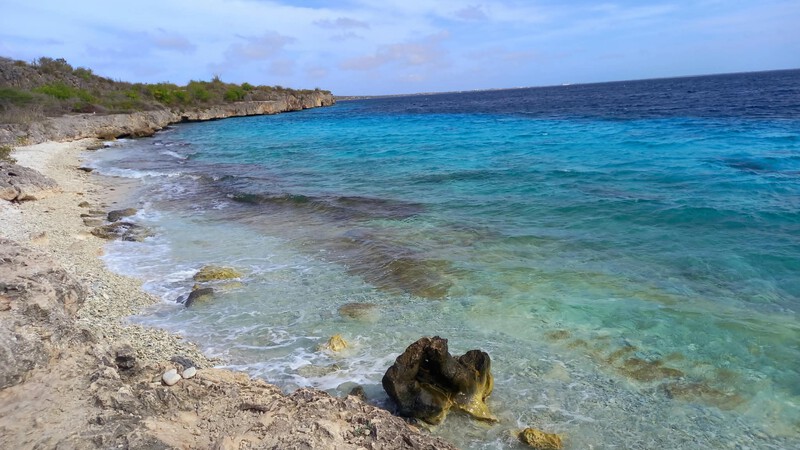
I always love diving in the north of Bonaire. You often don’t have to swim out as far here, and the reef looks very different from the south.
Tolo, also known as Ol’ Blue or Boka di Tolo, is on the rugged northwest coast. The reef slopes down to greater depths and is known for its beautiful coral and the chance to see large schools of tarpon.
I also find the location itself beautiful. The dive site is next to a small, shallow bay with a little coral beach. That makes it a great spot for families where not everyone dives.
Karpata: a special reef with ridges
North Bonaire
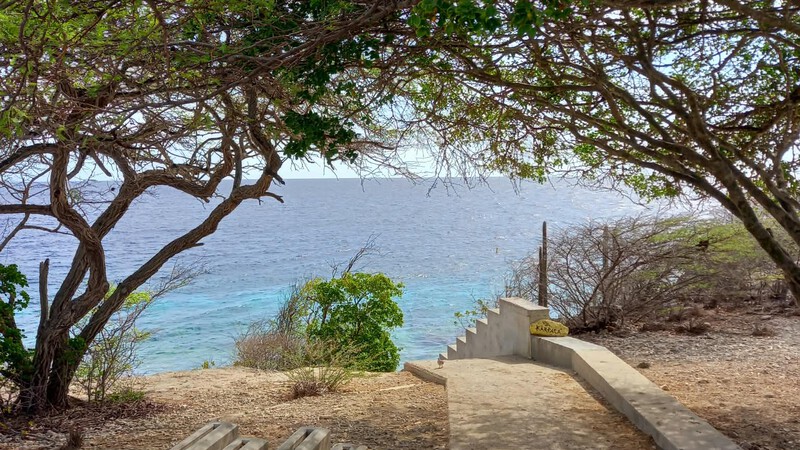
Karpata is truly one of my favorite dive sites too. I have to be honest, though: the entry can be quite a challenge at times, especially when there are waves. So when it’s very windy with big waves, I’d rather skip this spot.
What makes Karpata so interesting is the unique shape of the reef. It’s almost hilly, with long, vertical ridges that make the landscape very different from many other dive sites. You swim along the ridges, and there’s so much to discover among the coral and sponges.
I love taking my time here to look around and keep discovering something new. That’s exactly what makes Karpata such a great dive site for me.
Final thoughts
As you may have noticed, I don’t necessarily need to see the biggest fish or the most spectacular underwater landscapes during a dive. I can enjoy a tiny shrimp hiding in the coral or a young drumfish curiously swimming around just as much. For me, it’s all about being in the water, looking around calmly and enjoying everything there is to see.
And that’s what makes Bonaire so special to me: there’s always something new to discover, even at a dive site you’ve visited dozens of times (or in my case, probably more than 100).
See you underwater!