
Dive medical exam on Bonaire
Is it safe for me to dive? We’ll find out together in a personal exam.
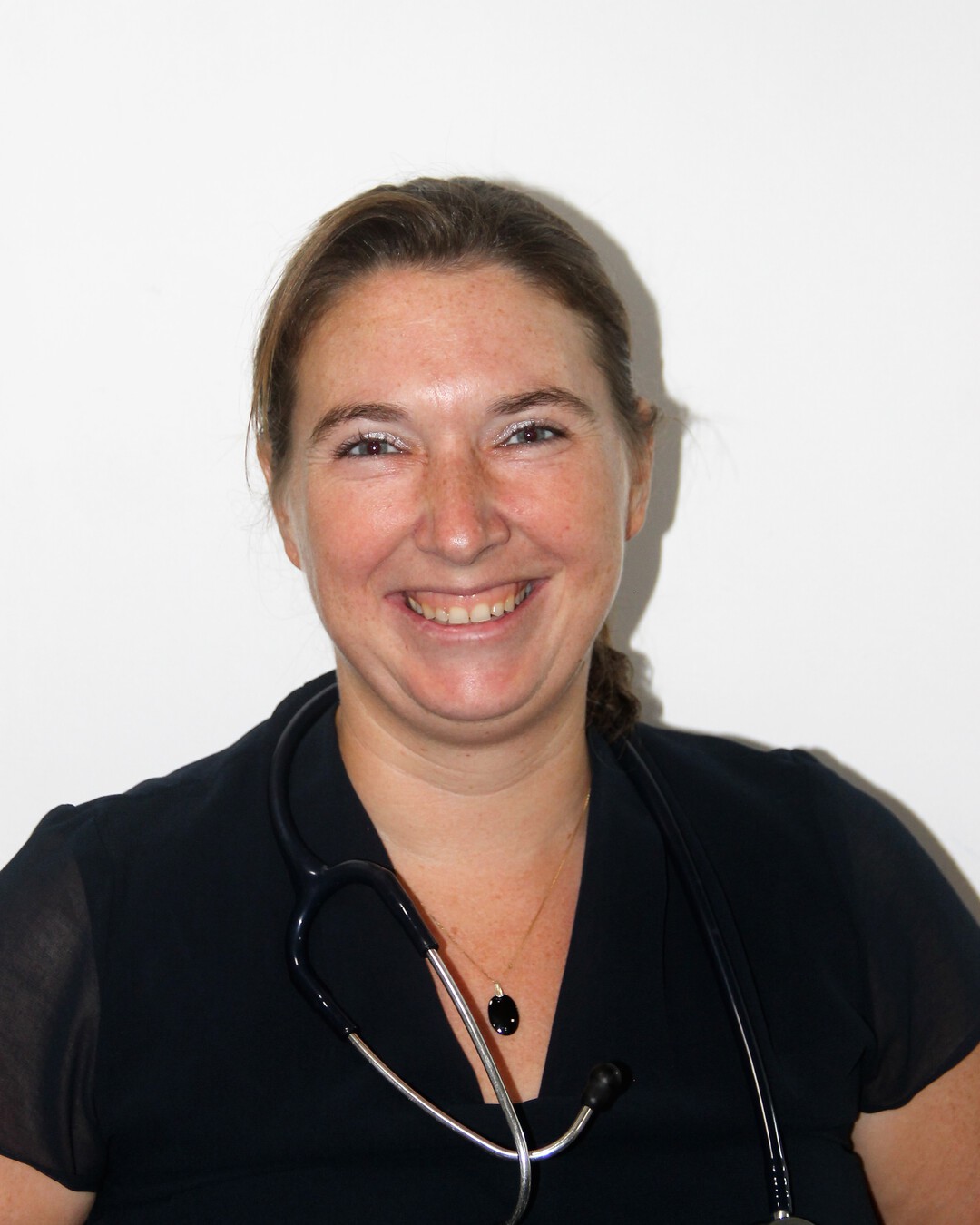
Why a dive medical exam?
To enjoy a dive, it’s important to dive safely. A lot happens to your body while diving, and that can involve risks. During the exam, I check whether there are any medical issues that could cause problems during or after diving, and we discuss them in detail.
Safety underwater
What does your health mean for your personal safety underwater?
Medical conditions
How does diving affect specific medical conditions?
Medication
How does medication affect diving?
When is a dive medical exam especially important?
- You’re over 45 and you smoke
- You take medication
- You’ve recently had surgery
- You have a chronic condition, such as diabetes or asthma
- You’ve had surgery on your ears, sinuses, lungs or heart in the past
- You quickly get out of breath or tired during exercise
- You have doubts about whether you should dive, for whatever reason
What does the exam involve?
1
Medical history
I’ll send you a questionnaire in advance, which we go through together.
2
Physical examination
Checking blood pressure, heart, lungs, ears, nose and throat, plus a neurological exam.
3
Lung function test
A short test of your lung function.
4
Exercise test
Looking at your fitness and how your heart and lungs perform during exercise.
Sometimes further tests are needed, such as a chest X-ray, an ECG or a referral to a cardiologist or pulmonologist.
When can you come in?
- Monday, Thursday and Friday mornings: 9:15 a.m. – 12:15 p.m.
- Wednesday afternoon: 2:00 – 5:00 p.m.
In urgent cases, a weekend or evening appointment is sometimes possible by arrangement. You can book up to two months in advance.
Costs
85 USD
Dive medical exam
125 USD
Urgent, evening or weekend
You can pay in cash or by debit card at your appointment.
Come prepared
Wear sportswear or comfortable clothing, as the exam includes some physical exercise. Bare feet or sneakers are both fine.
The exam takes 30 to 45 minutes, so please allow 60 minutes for your appointment.